2024 · M/J · 5054/21 | Q2

0/47parts marked · 0 of 80 marks
All questions
Question (2 of 8)10 marks · Practise this topic →
Options

Report Wrong question content

CIE-5054-2024-MJ-p21 · Question 2

A small aircraft takes off from the horizontal deck of a ship. Before taking off, the aircraft is held in place by a holdback bar. When the holdback bar is released, the aircraft is pulled along the deck by a steam-powered piston.

The steam exerts a high pressure on the piston.

(a)(i)Explain, using ideas about particles, how the steam creates a pressure on the piston.
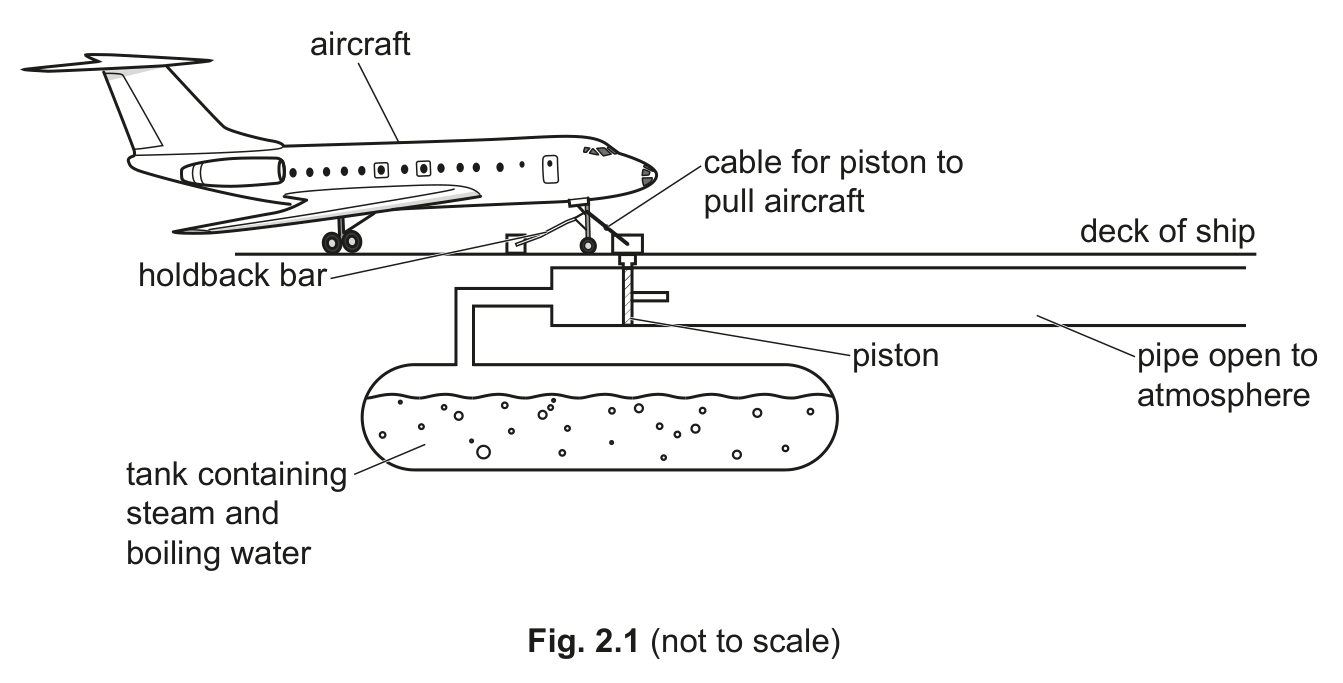
Fig. 2.1 — see the question text for what it shows
Answer guidance

Explain Give reasons, not just what happens. Each distinct reason is usually worth a mark.

[2 marks]

Steam in a tank exerts a high pressure on a piston.

(a)(ii)Explain why the pressure on the piston increases as the temperature of the steam increases.

Answer guidance

Explain Give reasons, not just what happens. Each distinct reason is usually worth a mark.

[2 marks]
(b)

When the pressure is high enough, the holdback bar is released. The steam pushes the piston along the pipe shown in Fig. 2.1.

The piston has a cross-sectional area of 0.30 m2.

The pressure of the steam in the tank is 2.1 × 10⁶ Pa.

Atmospheric pressure is 1.0 × 10⁵ Pa.

Determine the resultant force on the piston caused by the pressure difference.

Show your working.

Answer guidance

Show The result is given, so every step of the reasoning is what earns the marks.

[2 marks]
(c)(i)

The force calculated in (b) causes the aircraft to accelerate to a maximum speed of 28 ms from rest.

The mass of the aircraft is 3.0 × 10⁴ kg.

Calculate the momentum of the aircraft at the maximum speed.

Answer guidance

Calculate Show your working. The method can earn marks even when the final value is wrong, and a bare answer often cannot.

[2 marks]
(c)(ii)

Calculate the time taken for the aircraft to reach the maximum speed.

Answer guidance

Calculate Show your working. The method can earn marks even when the final value is wrong, and a bare answer often cannot.

[2 marks]

5054/21/M/J/24Cambridge O Level Physics 5054 · May/June 2024 · Paper 2 variant 1 · Question 2